
How to Safely Paddle the Ohio River with Confidence

The Ohio River is an incredible place to paddle, but it’s also a working river with changing currents, commercial traffic, shifting weather, and plenty of conditions that can change quickly. To prepare, we encourage you to brush up on some boating and paddling safety tips before the busy summer season begins.
Start with a pre-paddle safety check
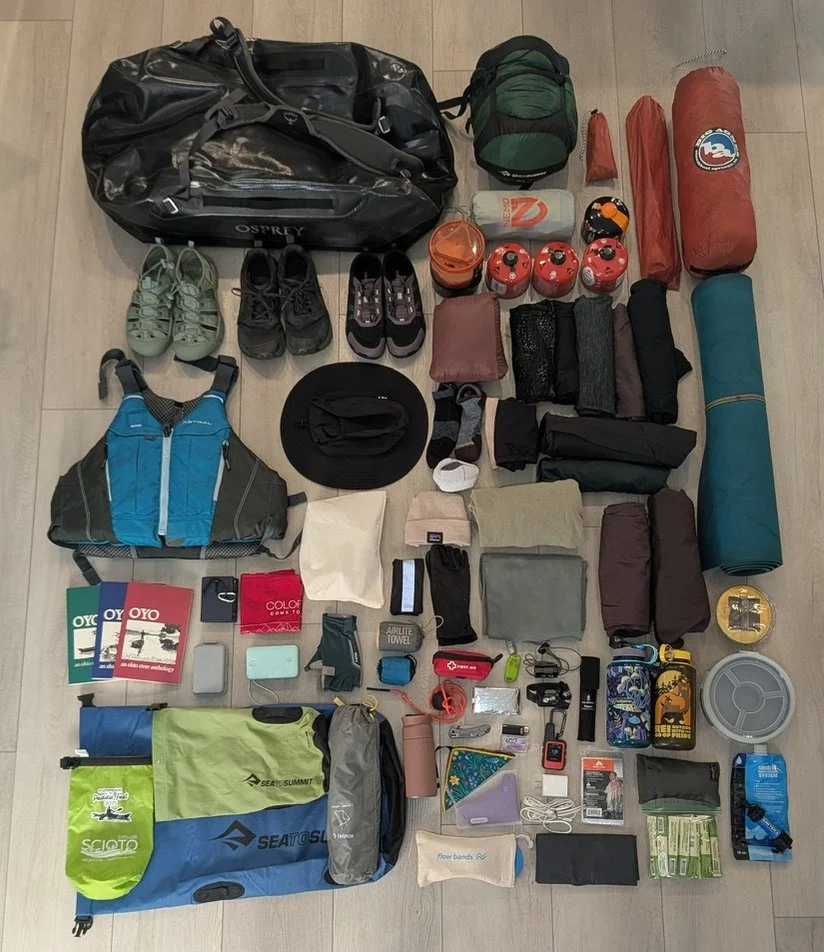
A good trip begins before you even launch. Take time to inspect your equipment, check conditions, and make sure someone knows where you’re going.
Before heading out:
Inspect your kayak, canoe, or paddleboard for cracks, leaks, or other damage.
Wear a properly fitted U.S. Coast Guard-approved personal flotation device.
Carry a whistle or other sound-producing device.
Pack a dry bag with essentials, including a phone in a waterproof case, first aid kit, snacks, water, and extra clothing.
Secure all gear so it doesn’t float away if you capsize.
Check the latest weather forecast, including wind, storms, and temperature.
Review river levels and flow rates to make sure conditions match your skill level.
Plan your route, including launch and takeout locations.
Estimate your paddling time and factor in breaks.
Share your itinerary and expected return time with a trusted person.
Carry a VHF radio if paddling in remote areas or places with limited cell service.
The Safe Boating Campaign also recommends having more than one communication device that works when wet, because cell phones, VHF radios, locator beacons, or satellite phones can all be vital resources in an emergency.
Stay alert once you’re on the water
Once you launch, awareness is one of the most critical skills you’ll need on a big river.
Give towboats and barges plenty of room
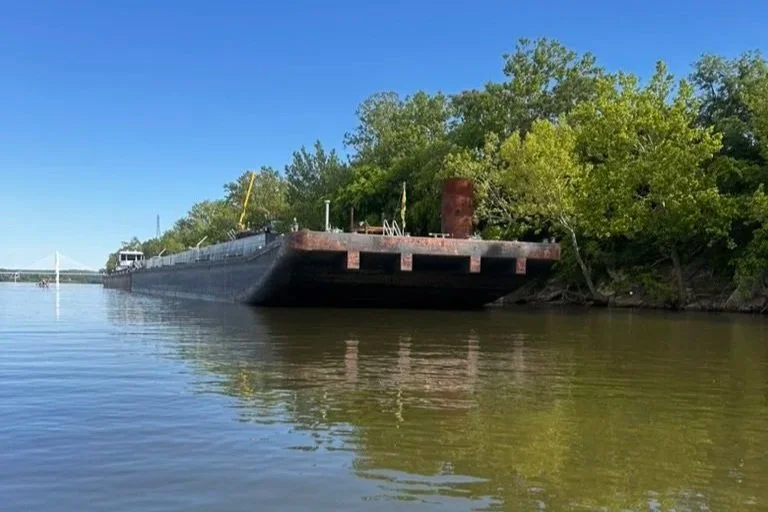
The Ohio River is a major transportation corridor, and towboats pushing barges have limited maneuverability. They cannot stop or turn quickly, and their pilots may not be able to see small craft near the bow. According to Ohio River boating safety guidance, it can take up to two miles for a towboat to stop a string of full barges.
Stay well clear of commercial traffic, avoid crossing closely in front of towboats, and never seek shelter under the bow of a moored barge. Barges can also approach quietly from behind, so every so often, take time to look behind you and keep checking your surroundings.
Make yourself visible
Power boaters on the Ohio River may not always expect to see canoes, kayaks, or paddleboards. Avoid high-traffic areas when possible, especially toward the middle of the river where motorboats and commercial traffic are more common. Wear bright clothing, use flags or reflectors, and assume other boaters may not see you.
Understand conditions
The Ohio River’s current may be manageable on many days, but it never stops. During high water, flow speeds can increase and large debris can move quickly downstream, creating serious hazards for paddlers.
Even in normal conditions, fighting the current can wear you out fast. Learn to work with the river, and if you need to paddle upstream, stay closer to the shoreline where the current is often less intense.
Know how to share your location
In an emergency, your exact location can help responders reach you faster. Your phone’s GPS can provide latitude and longitude, which you can share with emergency services if you need help. Before your trip, make sure you download an offline map on your phone, or a physical map with river miles in case you need to access or share your location. Always keep it protected in a waterproof case or dry bag.
Debrief after your paddle

Once your trip is finished, don’t just load up and leave. A quick post-paddle review can help you prepare for an even safer, smoother outing next time.
Ask yourself:
What worked?
Which gear did you use most? What felt essential?What was missing?
Was there anything you wished you had packed for safety, comfort, or convenience?What can be improved?
Adjust your packing list, route planning, or timing based on what you learned.
More resources to plan ahead
Before your next trip, visit the Ohio River Way safety page at ohioriverway.org/safety for more resources. You can also use the Ohio River Way’s interactive map, including live barge traffic, to help plan your route before and during your time on the water: gis.oki.org/ohioriverway.